
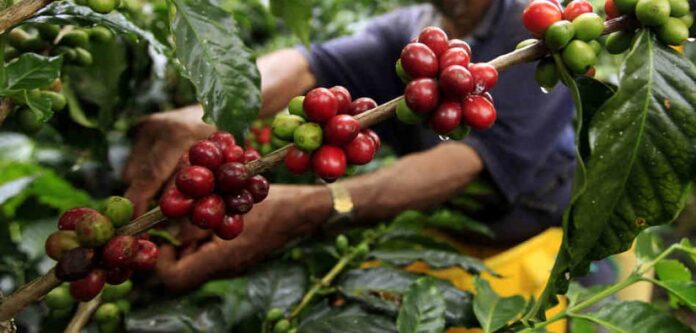
Agrofarm.co.id, According to estimates already released by Hedgepoint Global Markets, Brazilian exports were expected to fall, given that most of the 24/25 harvest has already been marketed in 2024, and carryover stocks are at low levels, which has been reflected in shipments since the beginning of 2025.
The harvest of the 25/26 crop, which began this month, is still in its early stages, with a larger volume of coffee probably only reaching the market between the end of June and July, according to the company’s estimates.
“In addition, producers are more capitalized and may also choose to sell a smaller volume of new grains on the market, at least until the 26/27 harvest is more defined or in the event of a major change in prices,” says Laleska Moda, Market Intelligence Analyst at Hedgepoint.
Despite the reduction in shipments in 2025, data from Cecafé show that the total accumulated for the 2024/25 harvest of Arabica is up 3.8% compared to the 2023/24 harvest, reaching 33.06 million bags.
According to the analyst, so far this is the second highest accumulated volume, behind only the 20/21 harvest. However, for Conilon, with exports below average in 2025, the accumulated volume for the 24/25 harvest is already down 0.9% on 23/24, with 6.71 M bags shipped so far.
Laleska Moda explains that it is possible that, with low stocks of Conilon in Brazil and the Robusta harvest in Indonesia gaining pace, Robusta shipments will remain below average in the coming months.
“With the prospect of a larger harvest in Indonesia, Asian differentials have fallen sharply, making these coffees more competitive than Brazilian beans. In Brazil, on the other hand, the lower availability of Arabica has widened the spreads between Arabica and Conilon prices, making the latter more attractive to domestic industries,” he observes.
As a result, and since the Conilon harvest usually picks up faster than the Arabica harvest, the trend is for the first variety to be redirected more to the Brazilian domestic market. Currently, the Conilon harvest is at 11% in Brazil, while the Arabica harvest is only at 4%, bringing the national total to 7%, down from the average of 10% in recent harvests.
The slower pace of the harvest was a reflection of the rains in recent weeks in several producing regions, such as Espírito Santo, Bahia, Rondônia and Matas de Minas.
“Some producers may still prefer to wait for the beans to ripen and for less humidity before picking their coffees, as most of them are capitalized this harvest,” he says.

